|
|
|
|
|
|
|
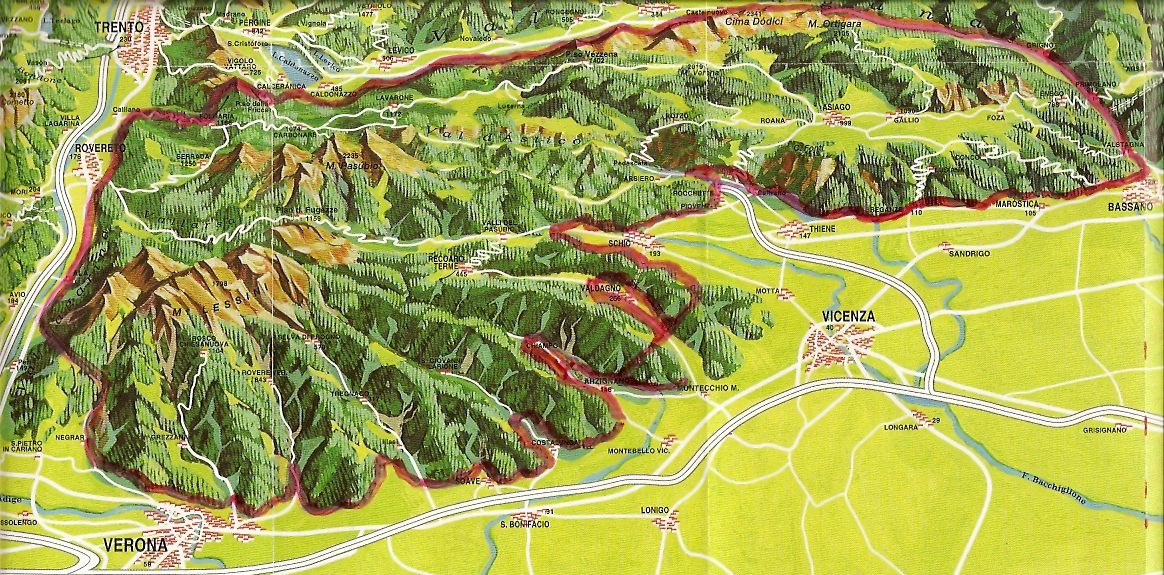
Storia - l'origine dei Cimbri La lingua denominata cimbra è una lingua tedesca parlata ancora ai nostri giorni a Roana (sull’Altopiano di Asiago), a Giazza (nella Lessinia veronese) e a Luserna (in provincia di Trento). Nei secoli scorsi questa lingua tedesca è stata parlata in tutta la montagna compresa tra il fiume Adige e il fiume Brenta, com’è confermato in molti documenti e come ai giorni nostri viene indicato da molti nomi di luoghi (pach, tall, laita, perch, spitz, ekkar, bisa, beghele, …), ancora usati anche se non più compresi nel loro significato. Francesco Caldogno nella sua relazione sulla montagna vicentina scritta per il Doge di Venezia, affermava che tutto l’Altopiano di Asiago, denominato nella storia come Altopiano dei Sette Comuni, nel 1500 parlava la lingua cimbra. Le origini di questa lingua e delle popolazioni che la parlavano sui monti vicentini, veronesi e trentini sono ancora in discussione, anche se dalle ricerche e dai dibattiti sono emersi dati abbastanza chiari e probabili. La leggenda parla di una derivazione dai Cimbri sconfitti dal condottiero Caio Mario nel 101 avanti Cristo. I resti di questo popolo proveniente dalla Danimarca, sceso lungo le regioni dell’Europa orientale e sconfitto in un luogo non bene precisato dagli storici nell’Italia settentrionale, si sarebbero rifugiati sulle montagne vicentine e veronesi. Ma non ci sono documenti e prove per dare valore storico a questa leggenda, nata tardivamente nell’ambiente preumanistico vicentino e veronese. Resta il nome di “cimbra” dato alla lingua e alla popolazione dei Sette Comuni fin dal 1300, quando fu denominata “Cimbria” anche la città di Vicenza, forse per certi suoi caratteri nordici. Il documento più importante per capire le origini della lingua e della popolazione cimbra, secondo le proposte degli storici e dei linguisti, sta nella lingua stessa, una lingua germanica con radici antiche che sono state via via collegate ai Goti, ai Longobardi, agli Alemanni e ad altre popolazioni barbariche entrate in Italia dopo la caduta dell’Impero Romano. Nella lingua e nella tradizione cimbra sono stati rilevati solo debolissimi indizi che potrebbero essere ricondotti ai Goti o ad altri “barbari”, benché gli autori di questo testo siano dell’avviso che dovrebbe essere riconsiderata positivamente la teoria della derivazione longobarda, finora largamente minoritaria sia tra i linguisti che tra gli storici. E' invece ormai certo che dalla Germania meridionale sono scesi a sud delle alpi e anche sull’Altopiano, intorno e particolarmente dopo l’anno Mille, dei gruppi provenienti per lo più dall’area linguistica bavaro-tirolese. Si trattava di popolazioni emigrate dalla Germania per lo più in modo pacifico, in cerca di terra da coltivare per vivere, guidate spesso dai Vescovi, dai rappresentanti imperiali, dagli ordini religiosi, come risulta esplicitamente da alcuni documenti storici. Nei territori isolati come l’Altopiano dei Sette Comuni, queste popolazioni hanno trovato terre libere e una posizione sicura, hanno tracciato strade e costruito case e paesi, hanno dissodato e bonificato valli e altipiani, hanno organizzato la loro esistenza conservando nel relativo isolamento i caratteri della loro lingua e dei loro costumi.
Italiano -
The Italian version of Livio's presentation
www.cimbripan.org
|
|